



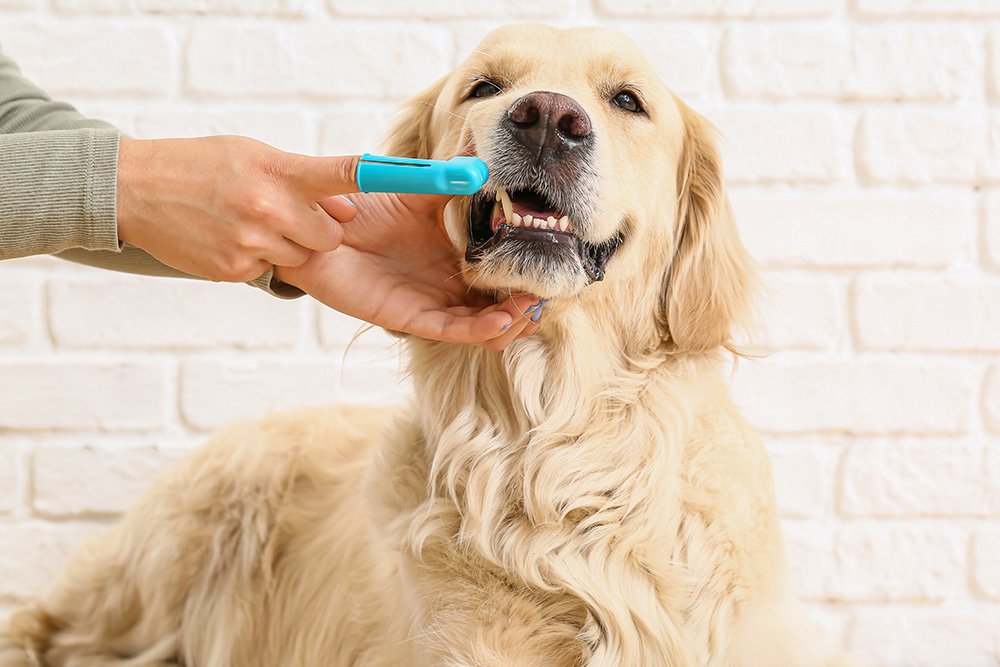
Tiny Teeth, Big Trouble: Why Pet Dental Care Matters
When we think of pet care, we usually focus on vaccinations, grooming, or nutrition. But there’s one vital area many pet parents may overlook,i.e., dental health.
Just like us, pets can suffer from plaque buildup, gum disease, and tooth decay. In fact, over 80% of dogs and 70% of cats show signs of dental disease by age 3. That’s more than just bad breath — poor oral health can lead to pain, tooth loss, and even infections that spread to the heart, liver, or kidneys. This in turn can massively affect your pet’s overall health. So while your pet may not be able to tell you that it has a toothache, here’s how you, as a responsible owner can do your part.
Signs Your Pet Might Have Dental Problems:
- Bad breath (not just a little doggy breath!)
- Drooling more than usual
- Difficulty eating or chewing
- Bleeding Gums
- Pawing at the mouth or face
What You Can Do:
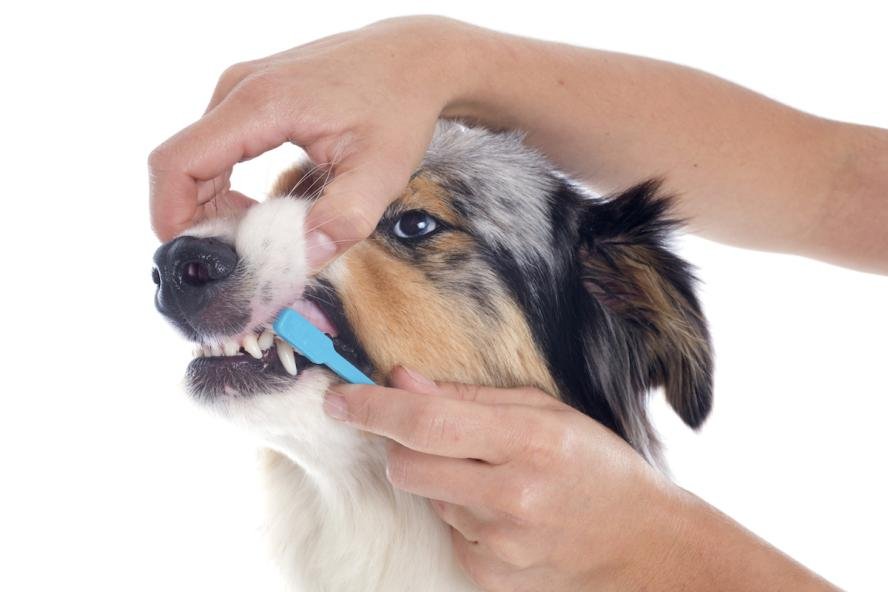
- Brush Their Teeth – Brushing your pet’s teeth using a pet-safe toothbrush and toothpaste (never human toothpaste), is one the easiest ways to maintain good dental hygiene. Your pet may initially resist this but positive reinforcement and a slow introduction to these materials can be an effective place to begin.
- Dental Treats and Toys – Chew treats and chew toys can help reduce plaque and tartar. However, it must be remembered that these are supplementary to brushing and should not be used in isolation.
- Regular Vet Visits – Annual dental check-ups are key. Your vet can recommend professional cleaning for stubborn plaque and tartar, under anaesthesia if required. Today, many vets are specially trained to correct malalignment of teeth, which leads to better dental health. While conventional metal braces are an option , “PetAlign”, (a type of InvisAlign for dogs) is becoming increasingly popular.
- Watch Their Diet – Some pet foods are designed to promote dental health. To support pet dental health, consider incorporating dental-specific dry food, raw bones, and certain fruits and vegetables into your pet’s diet. Dental-specific kibble can help clean teeth, while raw bones offer a natural way to scrape away plaque and tartar. Certain fruits and vegetables, like apples, carrots, and celery, can also be beneficial for dental hygiene.
Because behind every wagging tail or content purr… is a healthy mouth.