
Oral Cancer: Early Warning Signs Every Patient Should Know
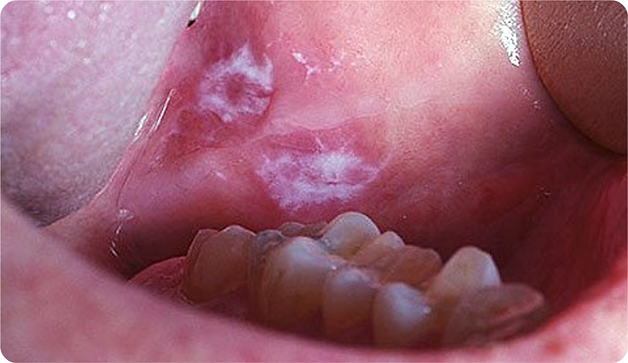
Oral cancer is a potentially life-threatening condition that affects thousands of people every year. Despite advances in medicine and dentistry, many cases are still diagnosed at advanced stages, primarily because the early symptoms are subtle and often painless. Patients frequently dismiss small ulcers, patches, or lumps in the mouth as minor irritations, allowing the disease to progress unnoticed.
The encouraging news is that oral cancer is one of the few cancers that can often be detected early through a simple clinical examination. Increased awareness among patients and regular dental check-ups play a crucial role in early diagnosis and improved survival rates. Understanding what oral cancer is, how it develops, and what warning signs to look for can help patients seek timely care.
What is Oral Cancer?
Oral cancer refers to malignant growths that develop in the tissues of the oral cavity. These cancers may arise in several parts of the mouth including the tongue, gums, lips, inner lining of the cheeks, floor of the mouth, palate, and the area behind the last molars. In some cases, the disease may also involve the oropharynx, which includes the tonsils and the base of the tongue.
Like other cancers, oral cancer begins when normal cells undergo genetic mutations that cause them to grow uncontrollably. Instead of following the normal cycle of growth and death, these abnormal cells accumulate and form a tumor. Over time, the tumor can invade nearby tissues and may spread to lymph nodes or other organs if left untreated.
Oral cancer belongs to a broader category of diseases known as head and neck cancers, which involve structures of the mouth, throat, nasal cavity, and salivary glands.
Types of Oral Cancer
Several types of cancers can occur in the oral cavity depending on the tissue of origin. While some are relatively common, others are rare but clinically significant.
| Type of Oral Cancer | Origin | Clinical Features |
|---|---|---|
| Squamous Cell Carcinoma | Surface lining of the mouth | Most common type (90%) |
| Verrucous Carcinoma | Variant of squamous cells | Slow growing, wart-like lesion |
| Minor Salivary Gland tumors | Small salivary glands in palate and lips | May appear as painless swellings |
| Lymphoma | Immune system cells | Often affects tonsils and base of tongue |
| Oral Melanoma | Pigment-producing cells | Rare but aggressive; appears as dark lesions |
Among these, squamous cell carcinoma is by far the most frequently encountered form of oral cancer. It develops from the thin flat cells lining the mouth and throat and often appears as persistent ulcers, patches, or thickened areas.
Risk Factors Associated with Oral Cancer
Oral cancer is strongly associated with certain lifestyle and environmental factors. While it can occur in individuals with no identifiable risk factors, several habits significantly increase the likelihood of developing the disease.
| Risk Factors | How it contributes to oral cancer |
|---|---|
| Tobacco Use | Tobacco smoke and chewing products contain carcinogens that damage oral tissues |
| Alcohol Consumption | Alcohol irritates the mucosa and increases susceptibility to carcinogens |
| Combined alcohol and tobacco | This combination multiplies the risk dramatically |
| HPV infection | Certain strains, particularly HPV-16, are linked to cancers of the throat |
| Areca Nut/ betel Quid | A major cause of oral cancer in South Asian populations |
| Chronic Irritation | Sharp teeth or poorly fitting dentures may contribute to long-term tissue trauma |
| Sun exposure | Increases risk of cancer of the lips |
In countries like India, the widespread use of tobacco, gutka, and betel nut significantly contributes to the high prevalence of oral cancer.
Early Warning Signs of Oral Cancer
The early symptoms of oral cancer can be subtle and may not cause pain initially. Many patients ignore these signs, assuming they will resolve on their own. However, persistent changes in the mouth should always be evaluated by a dental professional.
One of the most common early indicators is a mouth ulcer that does not heal within two weeks. Unlike ordinary ulcers that heal quickly, suspicious lesions may persist, gradually enlarge, or develop irregular borders.
Another warning sign is the appearance of abnormal patches inside the mouth. White patches, known as leukoplakia, and red patches, known as erythroplakia, may indicate precancerous changes in the tissue. Red lesions are particularly concerning because they have a higher potential to develop into cancer.
Patients may also notice unexplained lumps, thickened areas, or swelling in the mouth or neck. These changes may represent tumor growth or enlarged lymph nodes.
Functional symptoms may also develop as the disease progresses. These can include difficulty chewing, swallowing, speaking, or moving the tongue. Some individuals report numbness in parts of the mouth, persistent hoarseness, or a sensation that something is stuck in the throat.
The following table summarizes common symptoms and their possible implications.
| Symptom | Possible Significance |
|---|---|
| Non-healing ulcer | Possible malignant lesion |
| Red/White patches | Potential precancerous changes |
| Lump/Swelling | Tumor growth or lymph node involvement |
| Difficulty swallowing | Tumor affecting throat structures |
| Numbness in mouth | Possible nerve involvement |
| Persistent hoarseness | Cancer affecting oropharyngeal region |
| Loose teeth | Possible bone involvement |
Diagnosis of Oral Cancer
Diagnosis typically begins with a thorough clinical examination. During routine dental visits, dentists evaluate not only the teeth and gums but also the soft tissues of the mouth, tongue, palate, and throat.
If a suspicious lesion is detected, further investigation is required to determine its nature. The most definitive diagnostic procedure is a biopsy.
Understanding Biopsy in Oral Cancer Diagnosis
A biopsy involves removing a small sample of tissue from the suspicious area so that it can be examined under a microscope by a pathologist. This microscopic evaluation helps determine whether cancer cells are present and identifies the type of cancer.
| TYPE OF BIOPSY | DESCRIPTION | WHEN IT IS USED |
|---|---|---|
| Incisional biopsy | Small portion of lesion removed | Larger lesions |
| Excisional Biopsy | Entire lesion is removed | Smaller lesions |
| Fine needle Aspiration | Needle collects cells from lymph nodes | Neck swellings |
Once the diagnosis is confirmed, additional imaging tests such as CT scans, MRI scans, or PET scans may be used to determine the extent and stage of the cancer.
Treatment Options for Oral Cancer
Treatment planning depends on several factors including the type of cancer, its stage, its location, and the overall health of the patient. Most treatment plans involve a combination of therapies.
| Treatment Method | Purpose |
|---|---|
| Surgery | Removal of tumor and affected tissues |
| Radiation Therapy | Destruction of cancer cells using high energy beams |
| Chemotherapy | Use of drugs to kill cancer cells |
| Targeted therapy | Drugs that attack specific cancer cell mechanisms |
| Immunotherapy | Enhancing the body's immune response against cancer |
Surgery is often the primary treatment for early-stage oral cancers. In more advanced cases, radiation therapy and chemotherapy may be used in combination to improve treatment outcomes.
Rehabilitation After Treatment
Treatment for oral cancer can affect speech, swallowing, chewing, and facial appearance. As a result, rehabilitation plays an important role in helping patients regain normal function.
Rehabilitation may include speech therapy, nutritional counselling, and prosthodontic rehabilitation. In some cases, specialized dental prostheses may be required to restore oral function and improve quality of life.
The Importance of Oral Cancer Screening
Routine dental visits provide an opportunity for early detection through oral cancer screening. During these examinations, dentists carefully inspect the soft tissues of the mouth and palpate the neck for enlarged lymph nodes.
Early lesions are often detected during these screenings before the patient experiences any symptoms. This significantly improves the chances of successful treatment.
Prevention and Risk Reduction
While not all cases of oral cancer can be prevented, certain lifestyle modifications can greatly reduce risk. Avoiding tobacco products, limiting alcohol consumption, maintaining good oral hygiene, and attending regular dental check-ups are key preventive measures.
Vaccination against HPV may also help reduce the risk of certain cancers affecting the throat and oral region.
Final Thoughts
Oral cancer remains a serious health concern, but it is also one of the few cancers that can often be detected early through routine dental examinations and patient awareness. Recognizing the warning signs and seeking timely professional care can significantly improve treatment outcomes.
If you notice any unusual changes in your mouth that persist for more than two weeks, it is important to seek evaluation from a dental professional. Early detection not only improves survival rates but also reduces the complexity of treatment and helps preserve quality of life.