
Alcohol and Oral Cancer: Understanding the Hidden Link
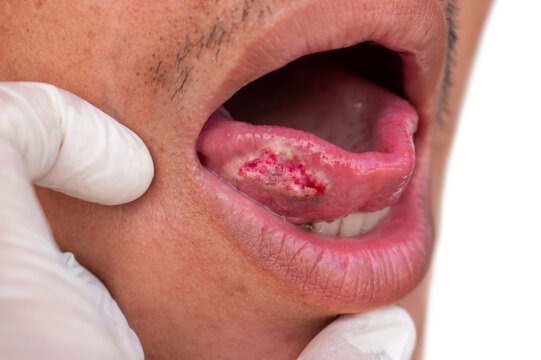
Alcohol is deeply woven into social culture, celebrations, unwinding after work, or simply “a drink with friends.” But beneath this normalcy lies a well-established medical reality: alcohol is a significant and independent risk factor for oral cancer. While tobacco often takes center stage in public awareness, research consistently shows that alcohol alone, and even more so in combination with tobacco, plays a critical role in the development of cancers of the oral cavity.
Alcohol: A Proven Carcinogen
Alcohol is classified as a Group 1 carcinogen by the World Health Organization and the International Agency for Research on Cancer. This classification is reserved for substances with strong evidence of causing cancer in humans. Over decades, multiple large-scale studies and pooled analyses have confirmed that alcohol significantly increases the risk of cancers of the oral cavity, pharynx, larynx, and oesophagus.
- Landmark evidence: A pooled analysis of over 200 epidemiological studies demonstrated a strong association between alcohol consumption and cancers of the upper aerodigestive tract (Bagnardi et al., 2001).
- Global consensus: No level of alcohol consumption has been proven completely safe in terms of cancer risk.
In simple terms, alcohol is not just a lifestyle choice, it is a biologically active carcinogenic exposure.
What Do the Numbers Say? (Evidence from Real Studies)
The relationship between alcohol and oral cancer is dose-dependent, meaning the risk increases with the amount consumed. What makes this particularly concerning is that even “moderate” drinking is not risk-free.
Dose–Response Relationship
- ~10 g/day (≈1 drink): ~1.2–1.3× increased risk
- ~50 g/day (≈4 drinks): ~3× increased risk
- Heavy drinking (>4 drinks/day): up to 5–6× increased risk (Bagnardi et al., 2010; Turati et al., 2013).
This demonstrates a clear biological gradient, each additional drink compounds risk rather than plateauing it.
Moderate vs Heavy Drinking
- Moderate drinkers: ~1.5–2× higher risk
- Heavy drinkers: up to ~5× higher risk (Bagnardi et al., 2010).
Even individuals who consider themselves “social drinkers” are not entirely outside the risk spectrum.
Overall Risk Increase
Alcohol consumption is associated with nearly double the risk of oral cavity cancer (OR ≈ 1.9) (Bagnardi et al., 2020).
Taken together, these findings highlight that alcohol-related cancer risk is both measurable and clinically significant.
How Does Alcohol Cause Oral Cancer?
Understanding the mechanism makes the risk feel less abstract and more tangible. Alcohol affects the oral tissues at multiple biological levels, creating an environment that favors malignant transformation.
1. Acetaldehyde: The Silent Toxin
When alcohol is metabolized, it is converted into acetaldehyde, a highly toxic and carcinogenic compound.
- Damages DNA directly
- Interferes with DNA repair mechanisms
- Promotes mutations and genomic instability
Acetaldehyde accumulation in the oral cavity, especially in individuals with poor oral hygiene or certain microbial profiles, further amplifies this risk.
2. Increased Permeability of Oral Mucosa
Alcohol acts as a chemical solvent, increasing the permeability of the oral mucosa.
- Allows carcinogens to penetrate deeper layers
- Enhances the effect of other risk factors like tobacco
This is one reason why alcohol rarely acts alone, it often magnifies other carcinogenic exposures.
3. Oxidative Stress and Chronic Inflammation
Alcohol metabolism generates reactive oxygen species (ROS).
- Leads to chronic inflammation
- Causes cellular and tissue damage
- Creates a microenvironment conducive to cancer development
Over time, this persistent inflammatory state increases the likelihood of malignant transformation.
4. Nutritional Deficiencies
Chronic alcohol consumption is often associated with deficiencies in essential nutrients like folate and vitamins.
- Impairs DNA synthesis and repair
- Weakens mucosal defense mechanisms
This makes oral tissues more vulnerable to carcinogenic insults.
Alcohol + Tobacco: A Dangerous Synergy
While alcohol alone is harmful, its combination with tobacco is particularly dangerous. The interaction between the two is not merely additive, it is multiplicative.
- Alcohol increases mucosal permeability, allowing tobacco carcinogens to penetrate more effectively
- Combined use can increase oral cancer risk several-fold compared to either factor alone
- A significant proportion of oral cancer patients report both habits
From a clinical perspective, this combination represents one of the highest-risk behavioral patterns seen in patients.
The Indian Context
In India, the burden of oral cancer is among the highest globally, and alcohol plays a significant role alongside tobacco use.
- Common coexistence of alcohol with smokeless tobacco (gutka, paan, khaini)
- Cultural acceptance of both habits in many communities
- Studies suggest combined habits can increase risk up to 4 times or more
This makes awareness and early screening particularly critical in the Indian population.
A Clinical Perspective: Why This Matters
In everyday dental practice, the impact of alcohol is not theoretical, it presents as real, observable changes in the oral cavity.
- Persistent, non-healing ulcers
- White or red patches (leukoplakia, erythroplakia)
- Mucosal thickening or unexplained lesions
For clinicians, especially dentists, these early signs offer a critical window for intervention. For patients, recognizing that these changes may be linked to lifestyle habits can be life-saving.
Key Takeaways
- Alcohol is a proven carcinogen with strong evidence linking it to oral cancer
- Risk increases with quantity, there is a clear dose-response relationship
- Even moderate drinking carries risk, not just heavy consumption
- Alcohol and tobacco together dramatically amplify cancer risk
- Early detection and habit modification are crucial in prevention
When we shift the conversation from “how much is safe?” to “what is the risk?”, the narrative changes entirely.