The SIAD Promise
Trust, integrity and honesty are the principles that underpin all our patient relationships. We constantly endeavour to serve you to the best of our ability with world-class treatments at an affordable price.
Qualified Doctors
A team of highly qualified doctors, driven to deliver the best, offer a range of dental services in all specialities.
Quality Control
Working with only the best in class products manufactured by industry leaders enables us to achieve stunning, long lasting results.
WHAT’S TRENDING RIGHT NOW?
Your smile!
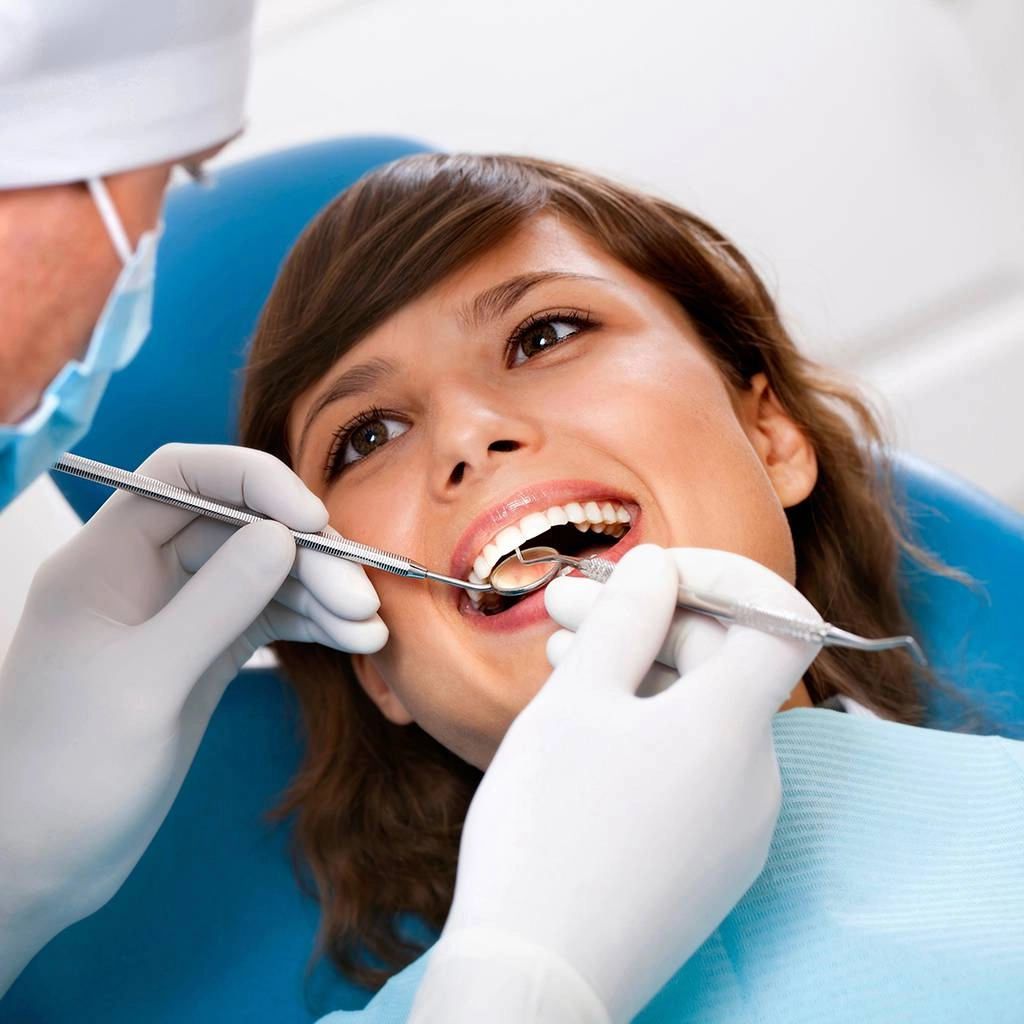
Our smile frames our face. It is one of the first things that is noticed about us. Smile, an abstract beautiful concept, has been broken down into an exact science at SIAD. Applying this formula meticulously with a creative flourish helps us redesign your face completely.
The SIAD Promise
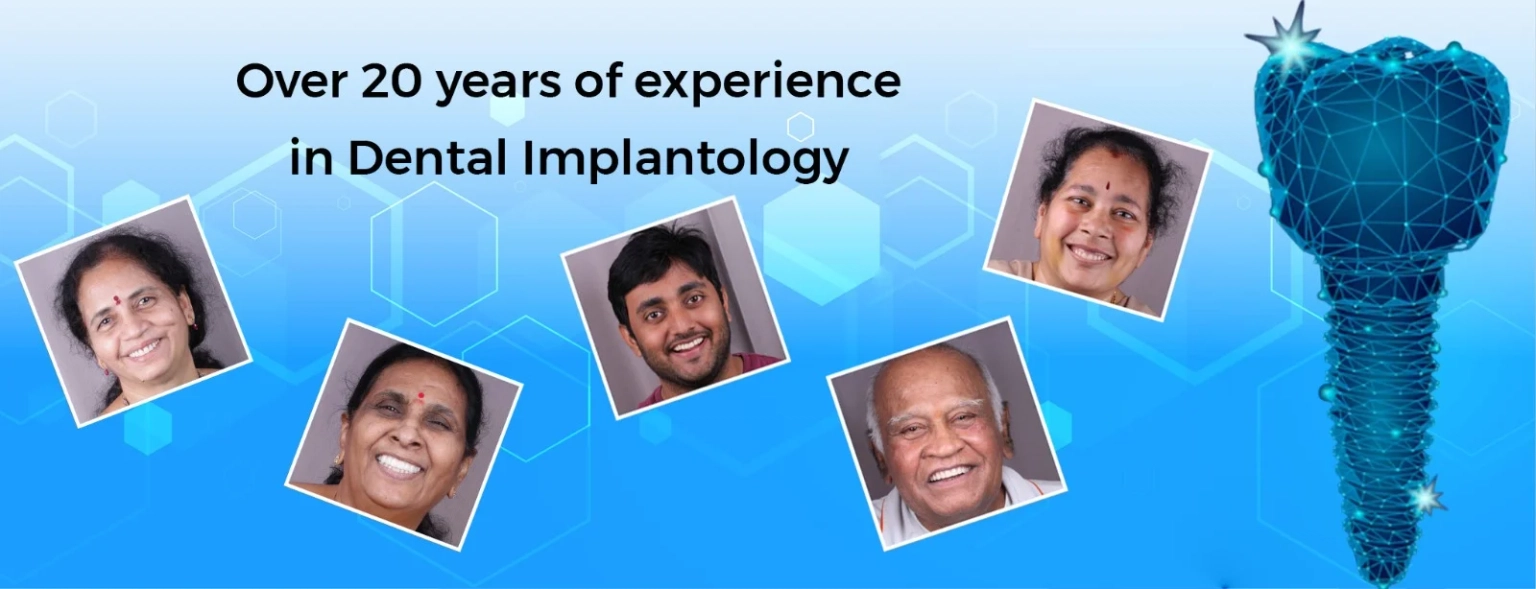
Over 20 years of expertise in implant dentistry with experience in handling challenging cases.
Advanced Implantology
Exclusive center for advanced procedures like All-on-4, Zygomatic implants and more.
Complete Control
In-house state-of-the-art digital laboratory for end-to-end quality control.
Fixed Teeth in 24 Hours
World-class expertise and equipment to deliver fixed teeth within 24–48 hours.
Missing a tooth? Or missing them all? Let's fix a solution for you.
All on 4
The All on 4 full mouth rehabilitation helps us navigate difficult cases of insufficient bone.
Pterygoid
The pterygoid implant is based on the use of residual bone to firmly anchor the implants.
Zygoma
Zygomatic implants are wonderful option for patients who have almost completely lost bone.
Trefoil
Simple in-patient procedure, the Trefoil system is poised to revolutionize implant treatment.
Straight 6
Restoring our patient’s smiles and their confidence with prostheses are next to natural teeth is priceless.
Single Implant
A single missing tooth can be easily replaced with a single piece or two piece implant.
Meet Our Specialists
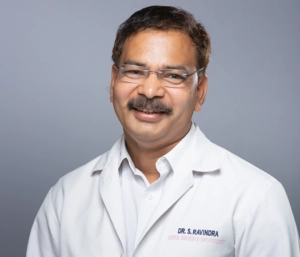
Dr. Ravindra S, FISOI, ICOI
(USA)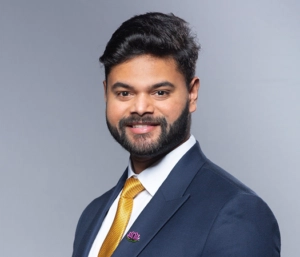
Dr. Akash Chakravarthy S
(MDS)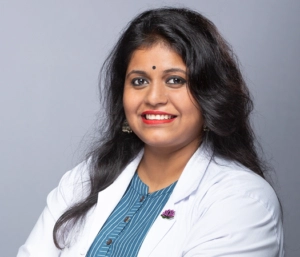
Dr. Sulagna Chakrabarti
(MDS)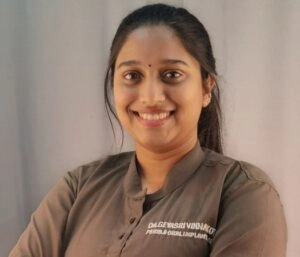
Dr. Geyasri Vinnakota
(MDS) We understand some
dental issues can't wait.
To request an e-consultation,
please fill in the form.
Book an Appointment
(For emergencies, please contact us immediately)Smile Transformations
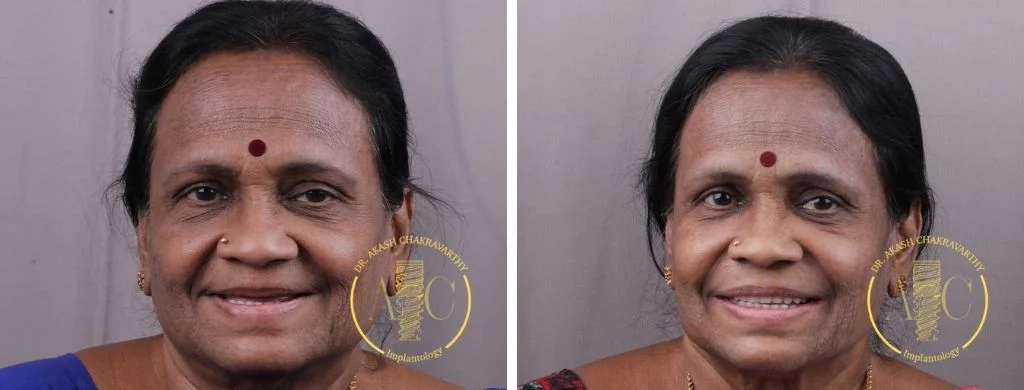
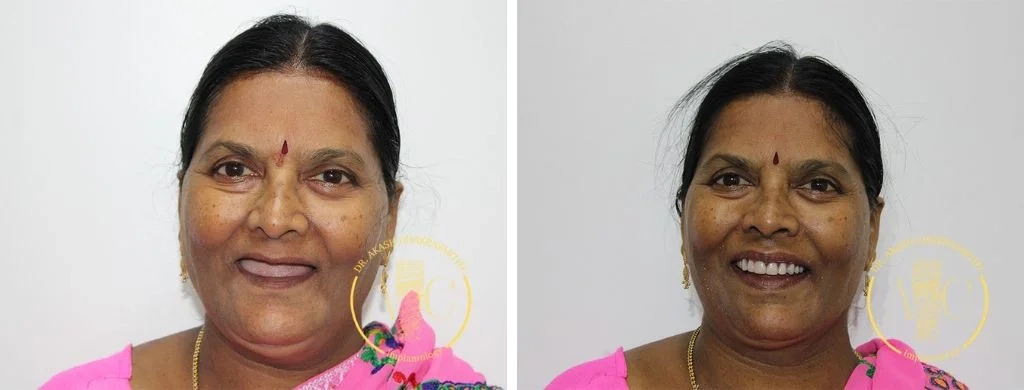
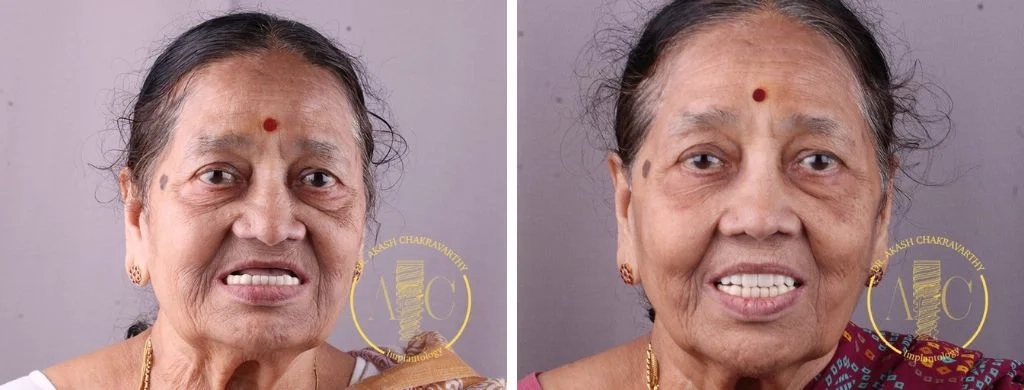
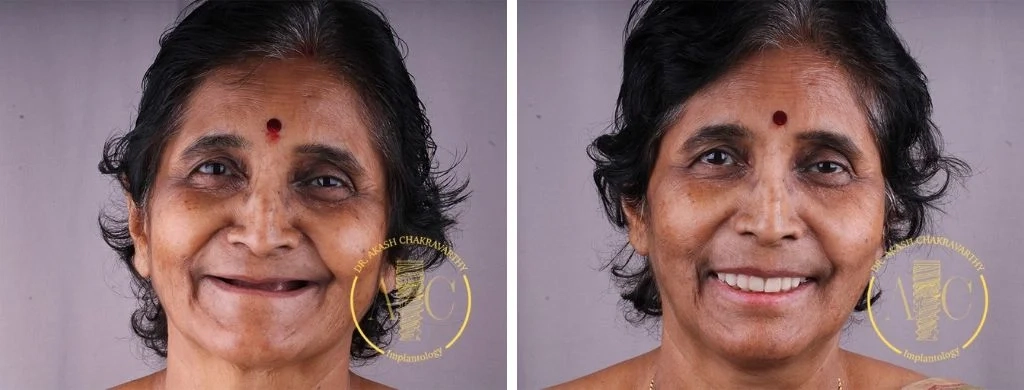
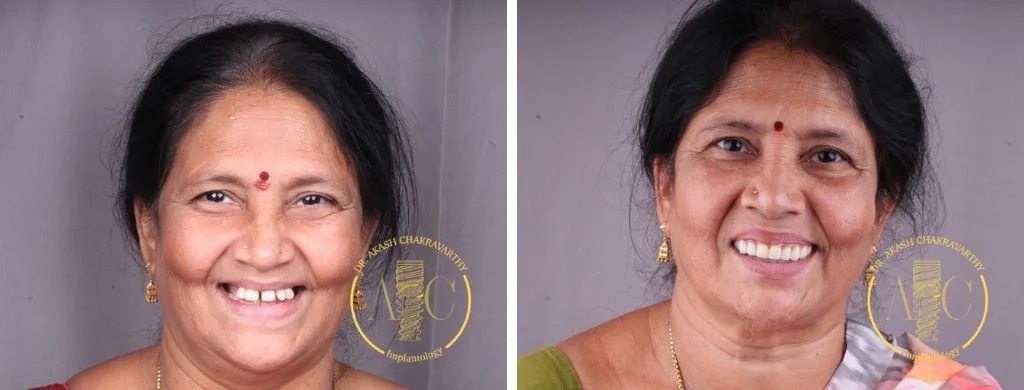
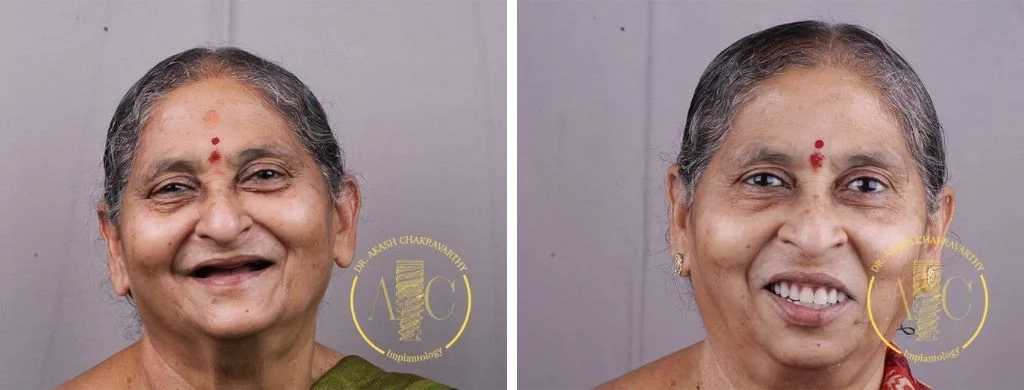
Service Recipient Says
The team at SIAD gave me back my confidence. I recommend them highly.
 Vijaya Lakshmi
I had a very pleasant experience at the clinic. The doctors take special care of the patients. Very happy with the results. Thanks to Dr. Akash and Dr. Sakshi.
Rachna BodduI am the 3rd person in my family to visit this clinic. I had a full-mouth implant and the way Dr. Akash and Dr. Pavani treated me has been excellent. Thank you.
 Bobby Jason
Financing Options
Flexible financing plans designed to make your dental treatments affordable without compromising quality.

EMI
Get healthy teeth today and pay in easy instalments (EMI) with transparent pricing.

Financial Counselling
Our experts guide you through the best financial options tailored to your needs.